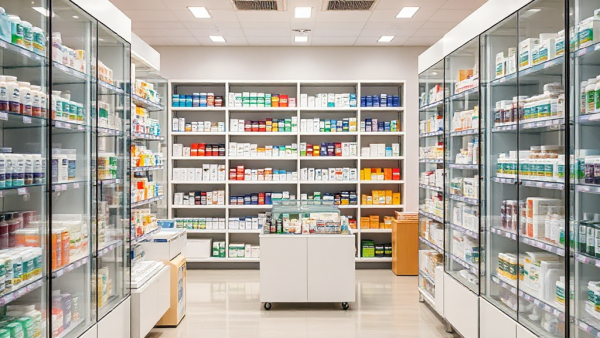
Clearing Out the Medicine Cabinet: What to Sell and What to Discard
It starts with a single drawer. You pull it open, and suddenly the whole medicine cabinet is on the table: blister packs from a cold that ended in March, a box of painkillers bought in bulk, three identical bottles of syrup, and a stack of prescription boxes still sealed in their original film. Most of it is untouched. Some of it expired years ago. And somewhere in that pile is money sitting idle, because sealed, unexpired medicines can often be sold rather than thrown away. The trick is knowing which items qualify and which ones should go straight into the disposal bag. If you want a quick way to find out, you can продатьлекарствафонд and get a preliminary assessment of your sealed packages before you decide anything.
Sorting the pile: what is worth selling and what is not
The first pass is not about money. It is about safety and legality. Anything that has been opened, even once, is out of the running. That includes blister strips with a missing tablet, tubes with a broken seal, bottles with a torn safety ring, and anything stored loose in a pill organizer. Opened medicines cannot be verified, cannot be resold, and should be taken to a pharmacy collection point or disposed of according to local rules.
The second pass is about condition. For an item to be considered for buyback, it usually needs to be in its original factory packaging, with the film or seal intact, the batch number readable, and the expiration date clearly printed. Boxes that have been crushed, water-damaged, or stored in a hot bathroom cabinet for years are risky even if they look fine. Heat and humidity degrade many medicines long before the printed date, so a box that spent two summers above a radiator is not a good candidate no matter how sealed it looks.
The third pass is about timing. Check every expiration date and sort the pile into three groups: well within date, close to expiry, and expired. The first group is the one worth photographing and submitting. The second group may still be accepted depending on the buyer and the specific medication, but it is worth asking before you assume. The third group is not sellable. Expired medicines should never be passed on to another person, even for free, because the active ingredients may have degraded or changed in ways that make them ineffective or unsafe.
Finally, sort by category. Common household items such as pain relievers, antihistamines, cold and flu preparations, digestive remedies, and vitamins are the easiest to place because demand is steady. Specialized prescription medicines, refrigerated products, and controlled substances follow much stricter rules and are often excluded entirely. When in doubt, set the item aside and ask before including it in a submission.
Submitting sealed packages: photos first, then a decision
Once you have a shortlist of sealed, in-date items, the practical next step is documentation. Take clear photos of each box on a plain surface with good light. The photo should show the full front of the package, the name of the medicine, the dosage, the batch number, and the expiration date. If the date is printed on the side or the bottom, include that angle too. Blurry or cropped photos slow the process down because the reviewer cannot confirm the key details.
This is where a buyback service saves time. Instead of listing items one by one on classifieds and answering the same questions repeatedly, you send the photos and receive a preliminary estimate. A fund that specializes in medicine buyback typically reviews the images, confirms which items qualify, and explains the next steps for shipping or handover. You can reach most of these services through WhatsApp, Telegram, or MAX, which means the whole conversation can happen from your phone while the boxes are still on the table.
Before you commit, clarify a few practical points. Ask how the items should be packed, whether original boxes must be shipped together with the blister packs, and who covers delivery. Confirm how payment works and how long it takes. If the service offers pickup in your region, ask about the schedule. And keep a simple inventory list for yourself: item name, quantity, batch number, and the price you were quoted. That list protects you if a package goes missing and makes the next clear-out much faster.
It also helps to think about volume. A single box of vitamins is rarely worth the shipping effort on its own, but a full bag of sealed, in-date household medicines is a different story. Many households find that combining everything into one submission is the most efficient approach, both for the estimate and for the logistics.
Making it a routine instead of a yearly project
The reason medicine cabinets overflow is that nobody checks them until they are forced to. A small habit fixes that. Twice a year, before the seasons change, open the cabinet and do a five-minute scan. Pull out anything expired, anything opened and unused, and anything you have not touched in twelve months. Put the expired items in a bag for pharmacy disposal and move the sealed, in-date duplicates to a single box labeled for buyback.
Keep that box in a cool, dry place away from direct sun and away from the kitchen or bathroom. When it fills up, photograph the contents and send them for assessment rather than letting them sit for another year. This turns a stressful annual purge into a quiet ongoing routine, and it means you are never guessing which items are still good.
One last habit worth building: buy less next time. Most overflowing cabinets are the result of buying a second box because you forgot you already had one. A quick look before you shop prevents that, and it keeps the buyback box small and manageable. Clearing out a medicine cabinet is not really about selling everything. It is about knowing what you own, keeping what is safe, passing on what is sealed and useful, and discarding the rest responsibly. Do that twice a year, and the table full of forgotten boxes never piles up again.